When Your Check Engine Light Comes On in Youngsville, Every Mile Feels Uncertain
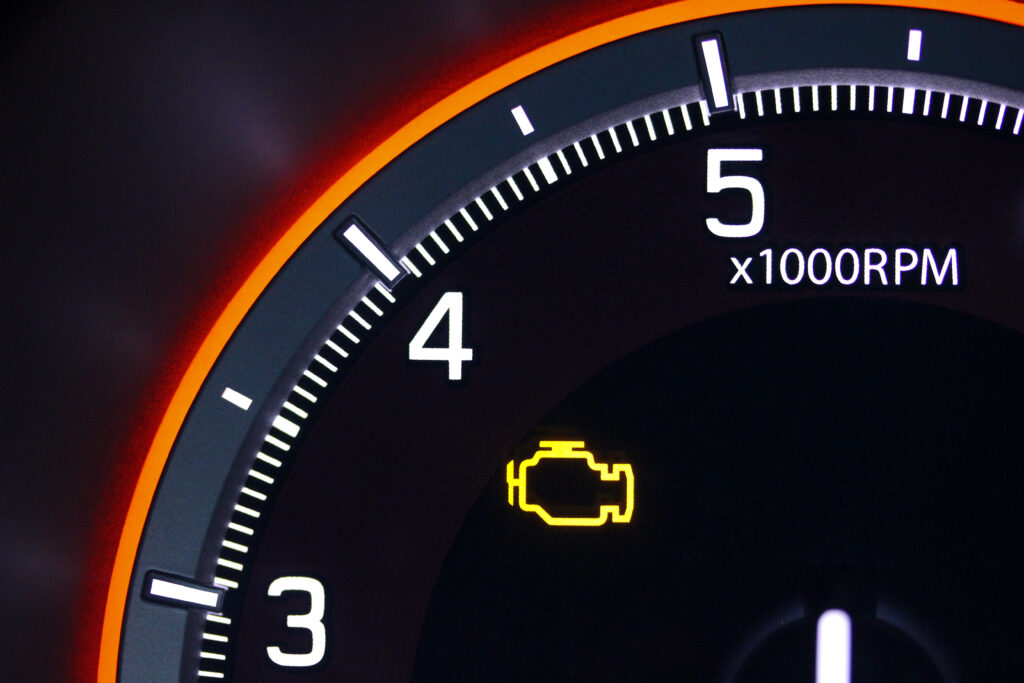
You’re driving the kids home from school, running through the mental checklist of dinner and homework, when that little amber glow appears on your dash. Your stomach drops. Is it something small, or is your SUV about to leave you stranded on the side of the road with two kids in the back seat? You don’t know cars, and the not-knowing is the worst part. That quiet dread of “how much is this going to cost, and am I about to get talked into repairs I don’t actually need?”
Take a breath. At Providence Auto Care, we’ve been reading check engine lights for drivers across Youngsville since 2014. Owner Michael Grueneich holds a degree in Automotive Repair from Wake Technical Community College, and our whole approach is built around one idea: we tell you what’s actually wrong, explain it in plain English, and never hand you a scary list to pressure you into deciding on the spot. A check engine light can mean something as simple as a loose gas cap or something that needs real attention. We’ll find out which — accurately, the first time.
Common Reasons Your Check Engine Light Is On
That light is your car’s way of saying a sensor somewhere noticed something outside of normal. The trick is knowing which sensor and why — and that’s where a lot of shops guess. We don’t. We pull the actual trouble codes, then verify what those codes point to with hands-on testing before we recommend a single repair. Here are the causes we see most often, roughly in the order they show up.
A Loose or Failing Gas Cap
It sounds almost too simple, but a loose, cracked, or worn gas cap is one of the most common reasons the light comes on. The cap seals your fuel system, and when it can’t hold pressure, the car senses the leak and flags it. The good news is this is often a five-minute, low-cost fix.
Symptoms include:
- Light appears shortly after you fill up the tank
- A faint fuel smell near the rear of the vehicle
- No change in how the car actually drives
We check the cap and the whole evaporative system first, because it’s the cheapest thing to rule out. If the seal is the culprit, you’re back on the road quickly. If the code points deeper, our engine diagnostics and repair services trace it to the real source.
A Faulty Oxygen Sensor
Your oxygen sensor measures how much unburned oxygen is in the exhaust, telling the engine how to balance fuel and air. Over tens of thousands of miles these sensors wear out. A bad one makes your engine run inefficiently — burning more gas than it should and eventually damaging other parts if ignored.
Symptoms include:
- Noticeably worse fuel economy
- A rough or uneven idle
- A rotten-egg smell from the exhaust
We test the sensor’s live readings rather than just swapping parts and hoping. If it’s failing, replacing it restores efficiency and protects your catalytic converter down the line. This falls under our engine diagnostics and repair services.
Worn Spark Plugs or Ignition Components
Spark plugs ignite the fuel in each cylinder. When they wear out or the ignition coils weaken, the engine misfires — meaning a cylinder isn’t firing cleanly. Misfires trigger the check engine light and, left alone, can send raw fuel into the exhaust and harm the converter.
Symptoms include:
- A stumble or hesitation when you accelerate
- The engine shaking at a stop
- The light flashing rather than staying steady
A flashing light means an active misfire, and you should have it looked at promptly to avoid bigger damage. We inspect the plugs, coils, and wires, then restore a smooth-running engine through a proper tune up.
A Dirty or Failing Mass Airflow Sensor
The mass airflow sensor measures how much air enters the engine so the computer can add the right amount of fuel. When it gets coated with dust and grime — common on a vehicle with plenty of miles — its readings drift and the engine’s fuel mix goes off.
Symptoms include:
- Hesitation or surging as you drive
- Hard starting or stalling
- A drop in power on hills or when merging
Sometimes the sensor just needs cleaning; sometimes it needs replacing. We test before we decide, and we’ll tell you honestly which one your car needs. Our engine diagnostics and repair services cover this exact issue.
A Failing Catalytic Converter
The catalytic converter cleans up your exhaust before it leaves the tailpipe. It rarely fails on its own — usually it’s the result of a misfire or bad oxygen sensor that went unaddressed too long. That’s exactly why catching the earlier causes matters. A converter is one of the pricier fixes, so we work hard to prevent it.
Symptoms include:
- Sluggish acceleration and reduced power
- A sulfur or rotten-egg odor
- Failing an emissions or inspection test
We confirm a converter problem with testing before recommending replacement — never on a guess. If it does need work, we handle it through our engine diagnostics and repair services, and we’ll explain exactly why so you can make the call with confidence.
Why Choose Providence Auto Care for Check Engine Light Diagnosis
Accurate Diagnosis the First Time
A trouble code is a starting point, not an answer. Two cars with the identical code can need completely different repairs. That’s why we pull the codes and then verify what they mean with live data and hands-on testing before we quote you anything. Michael’s degree in Automotive Repair from Wake Technical Community College is the foundation for a diagnostic process built on evidence, not guesswork — so you’re not paying to replace parts that were never the problem.
Transparent Communication
You’ll never get a scary list rushed under your nose. We explain what we found in plain language, show you what’s actually urgent versus what can safely wait, and give you the price before we touch your vehicle. If you don’t know what a mass airflow sensor is, that’s completely fine — we’ll walk you through it without a hint of condescension. Our name says it: caring for people and their vehicles.
Convenient, Respectful Service
We know you have a full life — work, school pickups, a schedule that doesn’t pause for car trouble. We work to get your diagnosis done efficiently and get you back on the road. You’ll find us at 2862-B State Rd 1116 in Youngsville, serving drivers throughout Franklin County and nearby Wake Forest. One quick call to 919-556-4488 gets your visit scheduled.
Preventing Future Check Engine Light Problems
Most check engine lights trace back to wear and neglected upkeep — which means much of it is preventable. Staying ahead of maintenance keeps that amber glow off your dash and keeps your family’s vehicle dependable.
Keep up with routine service. Small, on-time steps prevent the big surprises:
- Change your oil on schedule to keep the engine running clean — see our oil and fluid services
- Follow your vehicle’s mileage intervals with scheduled maintenance
- Replace spark plugs and filters before they fail with a periodic tune up
Handle the small things right away. The little habits add up:
- Tighten your gas cap until it clicks every time you fill up
- Don’t ignore small drops in fuel economy or a slightly rough idle
- Address a minor issue early, before it damages the catalytic converter
Don’t wait once the light is on. A steady light usually isn’t an emergency, but it is a signal that something needs attention. A flashing light means an active engine problem and should be checked promptly. Either way, catching it early through our engine diagnostics and repair services is almost always cheaper than waiting.
Service Areas We Serve
From our shop in Youngsville, we help drivers with check engine light diagnosis across Franklin County and the surrounding communities, including Youngsville, Franklinton, Grissom, Wake Forest, New Light, and Katesville.
Schedule Your Check Engine Light Diagnosis Today in Youngsville
You don’t have to keep driving with that light glowing and your mind racing. Let us pull the codes, do the real testing, and tell you honestly what your car needs — no pressure, no surprise bill, no talking down to you. Just clear answers so you can get back to your family and your day with peace of mind.
Call Providence Auto Care at 919-556-4488 or stop by our shop at 2862-B State Rd 1116, Youngsville, NC 27596. If your vehicle isn’t safe to drive, call us and we’ll help you figure out the next step. You can also find us and read reviews from your Youngsville neighbors on our Google Business Profile. Caring for people and their vehicles — that’s what we’re here for.