When Your Soft Brake Pedal in Youngsville Won’t Wait
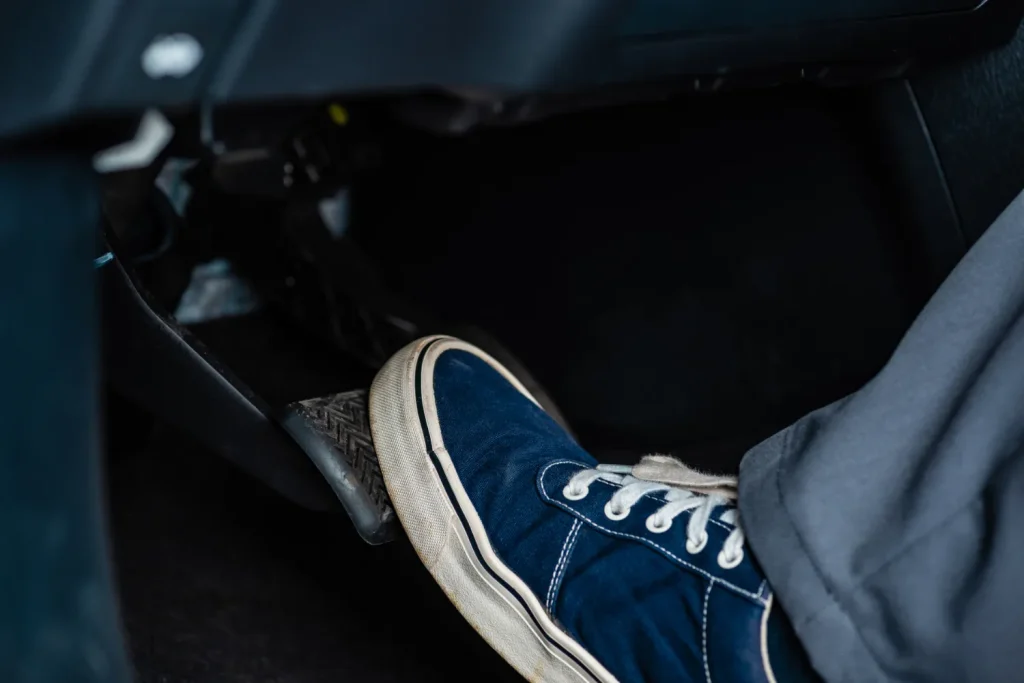
You’re coming up to a stop sign with your kids in the back seat, you press the brake, and the pedal sinks lower than it should. Maybe it feels spongy, mushy, or like you have to pump it twice to actually slow down. Your stomach drops. A brake that doesn’t feel right isn’t just a mechanical annoyance — it’s the one system standing between your family and the car ahead of you, and any doubt about it is enough to make your hands tighten on the wheel.
Take a breath. This is fixable, and you don’t have to guess your way through it. Providence Auto Care has been diagnosing and repairing brakes for Youngsville drivers since 2014, and our work is backed by a Degree in Automotive Repair from Wake Technical Community College. A soft or sinking pedal is one of the most common concerns we see, and we know how to pinpoint the exact cause instead of throwing parts at it. Call us at 919-556-4488 and we’ll walk you through it in plain English. A soft brake pedal is a safety issue, so please don’t put off having it looked at.
Common Reasons Your Brake Pedal Feels Soft
A brake pedal feels firm because the hydraulic system behind it has no air, no leaks, and healthy components pushing fluid to your calipers. When the pedal goes soft, something in that chain has broken down. Rather than guessing, we work through the system methodically — checking fluid, inspecting lines, testing the master cylinder, and looking at the pads and rotors — so you get an honest answer the first time. Here are the causes we find most often, ordered from most to least common.
Low Brake Fluid
Your brakes work on hydraulic pressure, and that pressure depends on having enough fluid in the system. As brake pads wear down, fluid naturally drops in the reservoir — but a low level can also mean a leak somewhere in the lines, calipers, or wheel cylinders. When fluid gets low, the pedal often feels soft or travels farther than normal before the brakes grab.
Symptoms include:
- Pedal sinks lower than usual before slowing the car
- Brake warning light glowing on the dash
- Damp spots or fluid film near a wheel or under the car
We start by checking the fluid level and its condition, then trace the entire system for leaks. If a line, caliper, or seal is weeping, we repair the source and refill with the correct fluid — never just top it off and send you on your way. Our full brake services cover every part of that hydraulic chain.
Air in the Brake Lines
Brake fluid doesn’t compress, but air does. When air gets trapped in the lines — often after a repair, a leak, or fluid that’s absorbed moisture over the years — that pocket of air squishes down when you press the pedal instead of transferring firm pressure to the brakes. The result is a soft, spongy feel that may improve slightly if you pump the pedal.
Symptoms include:
- Spongy pedal that firms up when pumped
- Inconsistent stopping distance
- Soft feel that appeared after other brake work
We bleed the brake system to purge trapped air and, when the fluid is old or contaminated with moisture, flush and replace it entirely. We also confirm no leak is letting air back in, because bleeding alone won’t hold if the underlying cause isn’t addressed. Our brake services restore a firm, confident pedal.
Worn Brake Pads
Brake pads are the friction material that squeezes your rotors to stop the car, and they wear down a little every time you brake. As they thin out, the caliper piston has to extend farther to make contact, which can change how the pedal feels and lengthen your stopping distance. Badly worn pads also let fluid levels drop, compounding the soft-pedal problem.
Symptoms include:
- Squealing or grinding when you brake
- Longer distance needed to come to a stop
- Pedal that feels different than it did a few months ago
We measure your pad thickness and inspect the rotors and calipers during a hands-on evaluation. If the pads are worn, we’ll show you exactly what we found and recommend replacement only when it’s actually needed. Learn more about our brake repair and replacement work.
Failing Master Cylinder
The master cylinder is the heart of your brake system — it converts the pressure from your foot into the hydraulic force that stops all four wheels. Inside are seals that can wear out over time and let fluid slip past internally. When that happens, the pedal often sinks slowly to the floor even when you hold steady pressure, which is a classic sign of a failing master cylinder.
Symptoms include:
- Pedal that slowly sinks while you’re stopped at a light
- Soft pedal with no visible external fluid leak
- Brakes that feel weaker under sustained pressure
We test the master cylinder’s ability to hold pressure and rule out other leaks first, so you’re not paying for a part you don’t need. If it’s failing, we replace it and bleed the system properly to restore full braking. Our brake services team handles this repair start to finish.
Warped or Damaged Rotors
Rotors are the metal discs your pads clamp onto, and heat from hard or repeated braking can warp them over time. A warped rotor doesn’t always cause a soft pedal by itself, but it changes how the pedal feels — often adding a pulsing or vibration — and it can mask or worsen other brake issues. Uneven rotor surfaces also wear pads faster and reduce stopping power.
Symptoms include:
- Pulsing or vibration in the pedal when braking
- Steering wheel shudder at highway speeds while braking
- Uneven or noisy braking
We inspect the rotors for thickness, warping, and scoring, then recommend resurfacing or replacement based on what your specific vehicle needs. We combine that with a full brake inspection so nothing gets missed. Explore our free brake inspections to get a clear picture of your whole system.
Why Choose Providence Auto Care for Soft Brake Pedal Diagnosis
Accurate Diagnosis the First Time
A soft pedal can come from any of several sources, and guessing wastes your money and leaves you unsafe. We work through the brake system in a set order — fluid, lines, master cylinder, pads, and rotors — so we find the real cause instead of the first thing that looks worn. That systematic approach is backed by a Degree in Automotive Repair from Wake Technical Community College and 12 years of hands-on work in Youngsville.
Transparent Communication
You’ll never get a scary list of repairs and a rush to decide. We explain what we found in plain language, show you the worn or leaking parts when we can, and separate what needs fixing now from what can safely wait. You’ll know the price before we touch your car — no surprise bill when you come to pick it up.
Convenient, Respectful Service
We know you’re juggling work, school pickups, and a full schedule. Providence Auto Care is located at 2862-B State Rd 1116 in Youngsville, and if your brakes are unsafe to drive, we can help arrange a tow rather than have you risk the road. Call 919-556-4488 and we’ll find a time that fits your life.
Preventing Future Soft Brake Pedal Problems
Most brake problems build slowly, which means a little routine attention keeps you far away from that sinking-pedal moment. Here’s how to stay ahead of it.
Keep your brake fluid healthy. Brake fluid absorbs moisture over time, which lowers its performance and invites that spongy feel. Have it checked and flushed on schedule.
- Have the fluid level and condition inspected during routine visits
- Ask about a fluid flush if it’s been several years
- Watch for a brake warning light and don’t ignore it
Our oil and fluid services keep every fluid in your car doing its job.
Stay current on inspections and maintenance. Regular check-ups catch worn pads and early leaks before they change how your pedal feels. Building brake checks into your routine service means fewer surprises.
- Have pads and rotors measured at each service interval
- Address squealing or vibration early, before it worsens
- Follow your vehicle’s recommended service schedule
Our scheduled maintenance program keeps your whole vehicle — brakes included — on track, and a periodic free brake inspection gives you peace of mind between visits.
Areas We Serve
Providence Auto Care proudly diagnoses and repairs brakes for drivers throughout the region, including Youngsville, Franklinton, Wake Forest, Grissom, New Light, and Katesville.
Schedule Your Soft Brake Pedal Diagnosis Today in Youngsville
A soft brake pedal is your car telling you something needs attention, and the safe move is to have it looked at before your next drive. At Providence Auto Care, we’ll find the real cause, explain it in a way that actually makes sense, and give you the price up front — no pressure, no upsells. If your brakes feel unsafe, don’t risk the road with your family aboard; call us and we can help arrange a tow.
Call Providence Auto Care at 919-556-4488 or visit us at 2862-B State Rd 1116, Youngsville, NC 27596. You can also find us and read reviews on our Google Business Profile. Caring for people and their vehicles is what we do — let us take this worry off your plate.